Dandruff bias to annoy. If your hair a lot you a lot of dandruff , and you are using a shampoo with a variety of brands, but have not brought satisfactory results, then try with this recipe, which is
Find jengkol tree, then scraped, and then pounded until smooth, and then were given water, squeezed and filtered to take the water, then add to them a little eucalyptus oil. Early morning shampoo make this potion. With the permission of god, the result will be very real, existing dandruff on your hair will soon disappear.
There are also other ways. You have to take a pure coconut oil about 4 tablespoons and 1 tablespoon salt, then stir until smooth. Then heat until boiling. After boiling up and set aside briefly. When you are lukewarm, rub on the scalp. But don't massage. Apply 3 or 4 hours before shampooing. And at the time of shampoo, scalp-scratching do not carded.
Labels
- herbal (11)
- Java medicine (1)
- Medicine (1)
- obat (5)
Search Here
Custom Search
Wednesday, November 11, 2009
JAVA TRADITIONAL MEDICINES - Anti Dandruff
Posted by
RAMUAN HERBAL TRADISIONAL INDONESIA
at
6:38 PM
1 comments
Wednesday, November 4, 2009
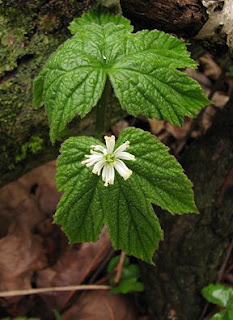
Goldenseal, Berberine
Goldenseal is one of the five top-selling herbal products in the United States. However, there is little scientific evidence about its safety or effectiveness. Goldenseal can be found in dietary supplements, eardrops, feminine cleansing products, cold/flu remedies, allergy remedies, laxatives, and digestive aids.
Goldenseal is often found in combination with echinacea in treatments for upper respiratory infections, and is suggested to enhance the effects of echinacea. However, the effects when these agents are combined are not scientifically proven.
Goldenseal has been used by some people due to the popular notion that detection of illegal drugs in urine may be hidden by use of the herb, although scientific information is limited in this area.
The popularity of goldenseal has led to a higher demand for the herb than growers can supply. This high demand has led to the substitution of other isoquinoline alkaloid-containing herbs, such as Chinese goldthread ( Coptis chinensis Fransch.) and Oregon grape ( Mahonia aquifolium [Pursh] Nutt.), that do not contain exactly the same isoquinoline alkaloids, and may not affect the body in the same way as goldenseal.
Studies of the effectiveness of goldenseal are limited to one of its main chemical ingredients, berberine salts (there are few published human studies of goldenseal itself). Due to the small amount of berberine actually present in most goldenseal preparations (0.5-6%), it is difficult to extend the research of berberine salts to the use of goldenseal. Therefore, there is not enough scientific evidence to support the use of goldenseal in humans for any medical condition.
Note: Goldenseal is sometimes referred to as "Indian turmeric" or "curcuma," but should not be confused with turmeric ( Curcuma longa Linn.).
A small amount of research reports that berberine, a chemical found in goldenseal, may be beneficial in the treatment of chloroquine-resistant malaria when used in combination with pyrimethamine. Due to the very small amount of berberine found in most goldenseal preparations, it is unclear whether goldenseal contains enough berberine to have these effects. In addition, the available studies have not been well designed. More research is needed before a recommendation can be made.
Common cold / upper respiratory tract infection
Goldenseal has become a popular treatment for the common cold and upper respiratory tract infections, and is often added to echinacea in commercial herbal cold remedies. Animal and laboratory research suggests that the goldenseal component berberine has effects against bacteria and inflammation. However, due to the very small amount of berberine in most goldenseal preparations, it is unclear whether goldenseal contains enough berberine to have the same effects. Currently, there are no reliable human studies of goldenseal or berberine in the treatment of respiratory tract infections.
Heart failure
One study suggests that berberine in addition to a standard prescription drug regimen for chronic congestive heart failure (CHF) may improve quality of life, and decrease ventricular premature complexes (VPCs) and mortality. Further research is needed to confirm these results.
High cholesterol
Based on early animal and human study, berberine (BBR), a compound isolated from a Chinese herb, may lower cholesterol and triglycerides with a mechanism of action different from that of statin drugs.
Immune system stimulation
Goldenseal is sometimes suggested to be an immune system stimulant. However, there is little human or laboratory evidence in this area. More research is needed before a firm conclusion can be drawn.
Infectious diarrhea
In several animal and small human studies, berberine has been used as a treatment for diarrhea caused by bacterial infections (including diarrhea from cholera). However, most of this research has not been well designed, and results have been unclear. Due to the very small amount of berberine in most goldenseal products, it is unclear whether goldenseal contains enough berberine to have the same effects. Therefore, there is currently not enough scientific evidence to make a recommendation in this area.
Narcotic concealment (urine analysis)
It has been suggested that taking goldenseal can hide the presence of illegal drugs from urine tests. However, there is limited research to support this idea. One study from the National Institute on Drug Abuse, National Institutes of Health, looked at marijuana and cocaine use, and suggested that goldenseal probably does not have this effect.
Trachoma (Chlamydia trachomatosis eye infection)
Animal and laboratory research suggests that the goldenseal component berberine has effects against bacteria and inflammation. Several poorly designed human studies report benefits of berberine used in the eye to treat trachoma. Better research is needed before a recommendation can be made.
Abnormal heart rhythms, acne, AIDS, alcoholic liver disease, anal fissures, anesthetic, antibacterial, anticoagulant (blood "thinning"), antifungal, anti-heparin, antihistamine, anti-inflammatory, astrocytoma, atherosclerosis ("hardening" of the arteries), anxiety, appetite stimulant, arthritis, asthma, athlete's foot, bile flow stimulant, blood circulation stimulant, boils, bronchitis, cancer, candida yeast infections, canker sores, cervicitis, chemotherapy adjuvant, chicken pox, chronic fatigue syndrome, colitis (intestinal inflammation), conjunctivitis, constipation, Crohn's disease, croup, cystic fibrosis, cystitis, dandruff, deafness, diabetes mellitus, diarrhea, digestion problems, diphtheria, diuretic (increasing urine flow), eczema, enhancement of insulin effects, eyewash, fever, fistula problems, flatulence (gas), gallstones, gangrene, gastroenteritis, genital disorders, giardia infection, gingivitis, glioblastoma, headache,H. pyloriinfection, hemorrhage (bleeding), hemorrhoids, hepatitis, herpes, hiatal hernia, high blood pressure, high tyramine levels, hypoglycemia (low blood sugar levels), impetigo, inducing (causing) abortion, indigestion, infections, influenza, itching, jaundice, keratitis (inflammation of the cornea of the eye), leishmaniasis, liver disorders, lupus, menstruation problems, morning sickness, mouthwash, muscle pain, muscle spasm, night sweats, obesity, osteoporosis, otorrhea (fluid from the ear), pain, pneumonia, premenstrual syndrome, prostatitis, psoriasis, sciatica, seborrhea, sedative, sinusitis, stomach ulcers, stimulant, strep throat, syphilis, tetanus, thrombocytopenia (low blood platelets), thrush, tinnitis (ringing in the ears), tonsillitis, tooth disease, trichomoniasis, tuberculosis, urinary tract disorders, uterus inflammation, uterus stimulant, vaginal irritation, varicose veins.
Standardization
Standardization involves measuring the amount of certain chemicals in products to try to make different preparations similar to each other. It is not always known if the chemicals being measured are the "active" ingredients. An analysis of several goldenseal products found large differences in the amounts of chemicals thought to be active (berberine and hydrastine). Some sources note standardization of goldenseal to isoquinoline alkaloids (5% to 10% total alkaloids, including hydrastine, berberine, and canadine).
Adults (18 years and older)
Goldenseal dosing: For general use, various types of goldenseal dosing have been used, each taken by mouth three times daily, including 0.5 to 1 gram tablets or capsules, 0.3 to 1 milliliter of liquid/fluid extract (1:1 in 60% ethanol), 0.5 to 1 gram as a decoction, or 2 to 4 milliliters as a tincture (1:10 in 60% ethanol).
Berberine dosing: For infectious diarrhea, 100 to 200 milligrams of berberine hydrochloride taken by mouth four times daily, or a single dose of 400 milligrams taken by mouth has been studied. Berberine sulfate is often used as well, and the hydrochloride and sulfate forms are generally thought to be equivalent.
Children (younger than 18 years)
There is not enough scientific evidence to safely recommend the use of goldenseal in children. Doses of 25 to 50 milligrams of berberine four times daily have been studied in children for the management of diarrhea, although safety has not been established.
Goldenseal is often found in combination with echinacea in treatments for upper respiratory infections, and is suggested to enhance the effects of echinacea. However, the effects when these agents are combined are not scientifically proven.
Goldenseal has been used by some people due to the popular notion that detection of illegal drugs in urine may be hidden by use of the herb, although scientific information is limited in this area.
The popularity of goldenseal has led to a higher demand for the herb than growers can supply. This high demand has led to the substitution of other isoquinoline alkaloid-containing herbs, such as Chinese goldthread ( Coptis chinensis Fransch.) and Oregon grape ( Mahonia aquifolium [Pursh] Nutt.), that do not contain exactly the same isoquinoline alkaloids, and may not affect the body in the same way as goldenseal.
Studies of the effectiveness of goldenseal are limited to one of its main chemical ingredients, berberine salts (there are few published human studies of goldenseal itself). Due to the small amount of berberine actually present in most goldenseal preparations (0.5-6%), it is difficult to extend the research of berberine salts to the use of goldenseal. Therefore, there is not enough scientific evidence to support the use of goldenseal in humans for any medical condition.
Synonyms
BBR, berberine bisulfate, curcuma, eye balm, eye root, golden root, goldensiegel, goldsiegel, ground raspberry, guldsegl, hydrastidis rhizoma, hydrophyllum, Indian dye, Indian paint, Indian plant, Indian turmeric, jaundice root, kanadische gelbwurzel, kurkuma, Ohio curcuma, orange root, tumeric root, warnera, wild curcuma, wild turmeric, yellow eye, yellow Indian plant, yellow paint, yellow paint root, yellow puccoon, yellow root, yellow seal, yellow wort. Note: Goldenseal is sometimes referred to as "Indian turmeric" or "curcuma," but should not be confused with turmeric ( Curcuma longa Linn.).
Evidence
These uses have been tested in humans or animals. Safety and effectiveness have not always been proven. Some of these conditions are potentially serious, and should be evaluated by a qualified healthcare provider. Uses based on scientific evidence
Chloroquine-resistant malaria A small amount of research reports that berberine, a chemical found in goldenseal, may be beneficial in the treatment of chloroquine-resistant malaria when used in combination with pyrimethamine. Due to the very small amount of berberine found in most goldenseal preparations, it is unclear whether goldenseal contains enough berberine to have these effects. In addition, the available studies have not been well designed. More research is needed before a recommendation can be made.
Common cold / upper respiratory tract infection
Goldenseal has become a popular treatment for the common cold and upper respiratory tract infections, and is often added to echinacea in commercial herbal cold remedies. Animal and laboratory research suggests that the goldenseal component berberine has effects against bacteria and inflammation. However, due to the very small amount of berberine in most goldenseal preparations, it is unclear whether goldenseal contains enough berberine to have the same effects. Currently, there are no reliable human studies of goldenseal or berberine in the treatment of respiratory tract infections.
Heart failure
One study suggests that berberine in addition to a standard prescription drug regimen for chronic congestive heart failure (CHF) may improve quality of life, and decrease ventricular premature complexes (VPCs) and mortality. Further research is needed to confirm these results.
High cholesterol
Based on early animal and human study, berberine (BBR), a compound isolated from a Chinese herb, may lower cholesterol and triglycerides with a mechanism of action different from that of statin drugs.
Immune system stimulation
Goldenseal is sometimes suggested to be an immune system stimulant. However, there is little human or laboratory evidence in this area. More research is needed before a firm conclusion can be drawn.
Infectious diarrhea
In several animal and small human studies, berberine has been used as a treatment for diarrhea caused by bacterial infections (including diarrhea from cholera). However, most of this research has not been well designed, and results have been unclear. Due to the very small amount of berberine in most goldenseal products, it is unclear whether goldenseal contains enough berberine to have the same effects. Therefore, there is currently not enough scientific evidence to make a recommendation in this area.
Narcotic concealment (urine analysis)
It has been suggested that taking goldenseal can hide the presence of illegal drugs from urine tests. However, there is limited research to support this idea. One study from the National Institute on Drug Abuse, National Institutes of Health, looked at marijuana and cocaine use, and suggested that goldenseal probably does not have this effect.
Trachoma (Chlamydia trachomatosis eye infection)
Animal and laboratory research suggests that the goldenseal component berberine has effects against bacteria and inflammation. Several poorly designed human studies report benefits of berberine used in the eye to treat trachoma. Better research is needed before a recommendation can be made.
Uses based on tradition or theory
The below uses are based on tradition or scientific theories. They often have not been thoroughly tested in humans, and safety and effectiveness have not always been proven. Some of these conditions are potentially serious, and should be evaluated by a qualified healthcare provider. Abnormal heart rhythms, acne, AIDS, alcoholic liver disease, anal fissures, anesthetic, antibacterial, anticoagulant (blood "thinning"), antifungal, anti-heparin, antihistamine, anti-inflammatory, astrocytoma, atherosclerosis ("hardening" of the arteries), anxiety, appetite stimulant, arthritis, asthma, athlete's foot, bile flow stimulant, blood circulation stimulant, boils, bronchitis, cancer, candida yeast infections, canker sores, cervicitis, chemotherapy adjuvant, chicken pox, chronic fatigue syndrome, colitis (intestinal inflammation), conjunctivitis, constipation, Crohn's disease, croup, cystic fibrosis, cystitis, dandruff, deafness, diabetes mellitus, diarrhea, digestion problems, diphtheria, diuretic (increasing urine flow), eczema, enhancement of insulin effects, eyewash, fever, fistula problems, flatulence (gas), gallstones, gangrene, gastroenteritis, genital disorders, giardia infection, gingivitis, glioblastoma, headache,H. pyloriinfection, hemorrhage (bleeding), hemorrhoids, hepatitis, herpes, hiatal hernia, high blood pressure, high tyramine levels, hypoglycemia (low blood sugar levels), impetigo, inducing (causing) abortion, indigestion, infections, influenza, itching, jaundice, keratitis (inflammation of the cornea of the eye), leishmaniasis, liver disorders, lupus, menstruation problems, morning sickness, mouthwash, muscle pain, muscle spasm, night sweats, obesity, osteoporosis, otorrhea (fluid from the ear), pain, pneumonia, premenstrual syndrome, prostatitis, psoriasis, sciatica, seborrhea, sedative, sinusitis, stomach ulcers, stimulant, strep throat, syphilis, tetanus, thrombocytopenia (low blood platelets), thrush, tinnitis (ringing in the ears), tonsillitis, tooth disease, trichomoniasis, tuberculosis, urinary tract disorders, uterus inflammation, uterus stimulant, vaginal irritation, varicose veins.
Dosing
The below doses are based on scientific research, publications, traditional use, or expert opinion. Many herbs and supplements have not been thoroughly tested, and safety and effectiveness may not be proven. Brands may be made differently, with variable ingredients, even within the same brand. The below doses may not apply to all products. You should read product labels, and discuss doses with a qualified healthcare provider before starting therapy. Standardization
Standardization involves measuring the amount of certain chemicals in products to try to make different preparations similar to each other. It is not always known if the chemicals being measured are the "active" ingredients. An analysis of several goldenseal products found large differences in the amounts of chemicals thought to be active (berberine and hydrastine). Some sources note standardization of goldenseal to isoquinoline alkaloids (5% to 10% total alkaloids, including hydrastine, berberine, and canadine).
Adults (18 years and older)
Goldenseal dosing: For general use, various types of goldenseal dosing have been used, each taken by mouth three times daily, including 0.5 to 1 gram tablets or capsules, 0.3 to 1 milliliter of liquid/fluid extract (1:1 in 60% ethanol), 0.5 to 1 gram as a decoction, or 2 to 4 milliliters as a tincture (1:10 in 60% ethanol).
Berberine dosing: For infectious diarrhea, 100 to 200 milligrams of berberine hydrochloride taken by mouth four times daily, or a single dose of 400 milligrams taken by mouth has been studied. Berberine sulfate is often used as well, and the hydrochloride and sulfate forms are generally thought to be equivalent.
Children (younger than 18 years)
There is not enough scientific evidence to safely recommend the use of goldenseal in children. Doses of 25 to 50 milligrams of berberine four times daily have been studied in children for the management of diarrhea, although safety has not been established.
Posted by
RAMUAN HERBAL TRADISIONAL INDONESIA
at
7:59 PM
0
comments
Horsetail
Horsetail (Equisetum arvense) has traditionally been used in Europe as an oral diuretic for the treatment of edema. The German Commission E expert panel has approved horsetail for this indication. Horsetail is also occasionally used for osteoporosis, nephrolithiasis, urinary tract inflammation, and wound healing (topical). These uses have largely been based on anecdote and clinical tradition, rather than scientific evidence.
There is preliminary human evidence supporting the use of horsetail as a diuretic. One poorly designed human trial found horsetail to effectively raise bone density equally to calcium supplements.
In theory (based on mechanism of action), horsetail ingestion in large amounts may cause thiamine deficiency, hypokalemia, or nicotine toxicity. Reported adverse effects include dermatitis.
Crude drugs derived from Equisetum arvense include Wenjing, Jiejiecao, and Bitoucai.
Note: Equisetum arvense should not be confused with members of the genus Laminaria, kelp, or brown alga, for which "horsetail" has been used as a synonym.
Use of horsetail dates to ancient Roman and Greek medicine. The name Equisetum is derived from equus, "horse" and seta, "bristle." Preliminary human and laboratory research suggests that horsetail may increase the amount of urine produced by the body. More studies are needed to determine if horsetail is safe or useful for specific health conditions.
Osteoporosis (weakening of the bones)
Silicon may be beneficial for bone strengthening. Because horsetail contains silicon, it has been suggested as a possible natural treatment for osteoporosis. Preliminary human study reports benefits, but more detailed research is needed before a firm recommendation can be made. People with osteoporosis should speak with a qualified healthcare provider about possible treatment with more proven therapies.
Antioxidant, antibacterial, antioxidant, astringent, bladder disturbances, bleeding, brittle fingernails, cancer, cosmetics, cystic ulcers, diabetes, dropsy, fever, fluid in the lungs, frostbite, gonorrhea, gout, hair loss, hepatitis, itch, kidney disease, kidney stones, leg swelling, liver protection, malaria, menstrual pain, nosebleeds, prostate inflammation, styptic (to stop bleeding cuts on the skin), Reiter's syndrome, rheumatism, stomach upset, thyroid disorders, tuberculosis, urinary incontinence, urinary tract infection (UTI), urinary tract inflammation, wound healing.
Standardization
Standardization involves measuring the amount of certain chemicals in products to try to make different preparations similar to each other. It is not always known if the chemicals being measured are the "active" ingredients. There is no widely recognized standardization for horsetail products. Standardization may be difficult, as approximately 25 species of Equisetum exist, and it is often difficult to differentiate between species. In Europe, the silicon content in horsetail may be less than 15%. Some experts recommend that horsetail should be standardized to 10% silicon per dose.
Adults (18 years and older)
Recommended doses for horsetail are based on historical use or expert opinion. There are no reliable studies in humans that show horsetail to be effective or safe at any specific dose.
By Mouth:
Tablets/Capsules: Different doses have been used, starting at 300 milligram capsules taken three times per day, up to 6 grams per day.
Tea: A maximum of 6 cups of tea, containing 1.5 grams of dried stem in one cup of hot water, is a dose that has been used.
Tincture(1:1 in 25% alcohol): 1 to 4 milliliters three times daily has been used.
Applied to the skin:
External wash: A wash prepared by mixing 10 teaspoons of horsetail in cold water and soaking for 10 to 12 hours has been used.
Children (younger than 18 years)
There is not enough scientific information to recommend the use of horsetail in children. Poisonings have been reported in children using horsetail stems as whistles.
There is preliminary human evidence supporting the use of horsetail as a diuretic. One poorly designed human trial found horsetail to effectively raise bone density equally to calcium supplements.
In theory (based on mechanism of action), horsetail ingestion in large amounts may cause thiamine deficiency, hypokalemia, or nicotine toxicity. Reported adverse effects include dermatitis.
Synonyms
Bottle brush, cola de caballo, common horsetail, common scouring rush, corncob plant, corn horsetail, Dutch rush, field horsetail, horse willow, horsetail grass, horsetail rush, mokuzoku, mokchok, muzei ( E. hymale ), paddock pipes, pewterwort, prele, pribes des champs, running clubmoss, Schachtelhalm, scouring rush, Shenjincao, shave grass, toadpipe, Wenjing, Zinnkraut. Crude drugs derived from Equisetum arvense include Wenjing, Jiejiecao, and Bitoucai.
Note: Equisetum arvense should not be confused with members of the genus Laminaria, kelp, or brown alga, for which "horsetail" has been used as a synonym.
Evidence
These uses have been tested in humans or animals. Safety and effectiveness have not always been proven. Some of these conditions are potentially serious, and should be evaluated by a qualified healthcare provider. Uses based on scientific evidence
Diuresis (increased urine) Use of horsetail dates to ancient Roman and Greek medicine. The name Equisetum is derived from equus, "horse" and seta, "bristle." Preliminary human and laboratory research suggests that horsetail may increase the amount of urine produced by the body. More studies are needed to determine if horsetail is safe or useful for specific health conditions.
Osteoporosis (weakening of the bones)
Silicon may be beneficial for bone strengthening. Because horsetail contains silicon, it has been suggested as a possible natural treatment for osteoporosis. Preliminary human study reports benefits, but more detailed research is needed before a firm recommendation can be made. People with osteoporosis should speak with a qualified healthcare provider about possible treatment with more proven therapies.
Uses based on tradition or theory
The below uses are based on tradition or scientific theories. They often have not been thoroughly tested in humans, and safety and effectiveness have not always been proven. Some of these conditions are potentially serious, and should be evaluated by a qualified healthcare provider. Antioxidant, antibacterial, antioxidant, astringent, bladder disturbances, bleeding, brittle fingernails, cancer, cosmetics, cystic ulcers, diabetes, dropsy, fever, fluid in the lungs, frostbite, gonorrhea, gout, hair loss, hepatitis, itch, kidney disease, kidney stones, leg swelling, liver protection, malaria, menstrual pain, nosebleeds, prostate inflammation, styptic (to stop bleeding cuts on the skin), Reiter's syndrome, rheumatism, stomach upset, thyroid disorders, tuberculosis, urinary incontinence, urinary tract infection (UTI), urinary tract inflammation, wound healing.
Dosing
The below doses are based on scientific research, publications, traditional use, or expert opinion. Many herbs and supplements have not been thoroughly tested, and safety and effectiveness may not be proven. Brands may be made differently, with variable ingredients, even within the same brand. The below doses may not apply to all products. You should read product labels, and discuss doses with a qualified healthcare provider before starting therapy. Standardization
Standardization involves measuring the amount of certain chemicals in products to try to make different preparations similar to each other. It is not always known if the chemicals being measured are the "active" ingredients. There is no widely recognized standardization for horsetail products. Standardization may be difficult, as approximately 25 species of Equisetum exist, and it is often difficult to differentiate between species. In Europe, the silicon content in horsetail may be less than 15%. Some experts recommend that horsetail should be standardized to 10% silicon per dose.
Adults (18 years and older)
Recommended doses for horsetail are based on historical use or expert opinion. There are no reliable studies in humans that show horsetail to be effective or safe at any specific dose.
By Mouth:
Tablets/Capsules: Different doses have been used, starting at 300 milligram capsules taken three times per day, up to 6 grams per day.
Tea: A maximum of 6 cups of tea, containing 1.5 grams of dried stem in one cup of hot water, is a dose that has been used.
Tincture(1:1 in 25% alcohol): 1 to 4 milliliters three times daily has been used.
Applied to the skin:
External wash: A wash prepared by mixing 10 teaspoons of horsetail in cold water and soaking for 10 to 12 hours has been used.
Children (younger than 18 years)
There is not enough scientific information to recommend the use of horsetail in children. Poisonings have been reported in children using horsetail stems as whistles.
Posted by
RAMUAN HERBAL TRADISIONAL INDONESIA
at
7:52 PM
0
comments
Lavender
Lavender is native to the Mediterranean, the Arabian Peninsula, Russia, and Africa. It has been used cosmetically and medicinally throughout history. In modern times, lavender is cultivated around the world and the fragrant oils of its flowers are used in aromatherapy, baked goods, candles, cosmetics, detergents, jellies, massage oils, perfumes, powders, shampoo, soaps, and tea. English lavender ( L. angustifolia ) is the most common species of lavender used, although other species are in use, including Lavandula burnamii, L. dentate, L. dhofarensis, L. latifolia, and L. stoechas.
Many people find lavender aromatherapy to be relaxing, and it has been reported to have anxiolytic effects in several small, methodologically flawed trials. Overall, the weight of the evidence suggests a small positive effect, although additional data from well-designed studies are required before the evidence can be considered strong.
Lavender aromatherapy is also used as a hypnotic, although there is insufficient evidence in support of this use.
Small phase I human trials of the lavender constituent perillyl alcohol (POH) for cancer have suggested safety and tolerability (up to 1200mg/m2four times/day), although efficacy has not been demonstrated.
Lavender aromatherapy is traditionally used for relaxation. It is reported to help relieve anxiety in several small studies, although negative results have also been reported. Better research is needed before a strong recommendation can be made.
Agitated behavior (lavender aromatherapy)
Small studies of patients with severe dementia in nursing homes have found that lavender aromatherapy (2% administered for 2 hours) or pinning a cloth with the oil on it to the patient may help to decrease agitated behavior. Further well-designed studies are needed in this area before a firm conclusion can be drawn.
Alopecia/hair loss (lavender used on the skin)
Small randomized controlled trials have shown that patients who massage essential oils (thyme, rosemary, lavender and cedarwood) into their scalps daily showed more improvement than the control group. More research of lavender alone is need before a recommendation can be made.
Antibacterial (lavender used on the skin)
Early laboratory studies suggest that lavender oils may have antibiotic activity.However, this has not been well tested in animal or human studies.
Cancer (perillyl alcohol)
Animal studies report that perillyl alcohol (POH), derived from lavender, might be beneficial in the treatment of some types of cancer. This research has focused on cancers of the pancreas, breast, and intestine. Preliminary small studies in humans suggest safety and tolerability of POH, but effectiveness has not been established.
Dementia
Small randomized controlled trials investigating the effects of lavender aromatherapy on agitation and behavior in patients with Alzheimer's dementia report conflicting results. Further well-designed studies are needed before a conclusion can be drawn.
Depression
Preliminary research suggests that lavender may be helpful as an adjunct to prescription antidepressant medications. A small randomized clinical trial found that using a lavandula tincture with the prescription drug imipramine was more effective than either therapy alone at treating mild to moderate depression. Additional research is necessary before a firm conclusion can be drawn.
Ear pain
A small clinical trial used a naturopathic eardrop called NHED (containing allium sativum, verbascum thapsus, calendula flores, hypericum perfoliatum, lavender and vitamin E in olive oil) at a does of 5 drops three times a day with and without an antibiotic and topical anesthetic. It was found that the ear pain was self-limiting and resolved after a few days with or without antibiotics. This evidence is preliminary and further research is needed before any conclusion about this treatment can be made.
Hypnotic/sleep aid (lavender aromatherapy)
Lavender aromatherapy is often promoted as a sleep aid. Although early evidence suggests possible benefits, more research is needed before a firm conclusion can be drawn.
Overall wellbeing (lavender used in a bath)
Preliminary evidence has shown that 20% lavender oil in combination with 80% grapeseed oil used in a bath may help to increase overall wellbeing, and decrease anger and frustration. Lavender oil used as aromatherapy has also been shown to increase overall mood. Further well-designed research is needed to confirm these results.
Pain (lavender aromatherapy)
Preliminary research suggests that the impression of pain intensity and unpleasantness may be reduced after treatment with lavender therapy. Other research has shown that lavender aromatherapy may be effective when used with acupressure for short term relief of lower back pain. Further research is needed before firm conclusions can be drawn.
Perineal discomfort after childbirth (lavender added to bath)
Lavender has been evaluated as an additive to bathwater to relieve pain in the perineal area (between the vagina and anus) in women following birth. Preliminary poor-quality research reports no benefits. Better research is needed before a firm conclusion can be drawn.
Eczema
In a small clinical trial essential oils were used in combination with massage to treat childhood atopic eczema. The subjects were massaged with a mixture of essential oils, including lavender, for a period of 8 weeks. It was found that there was deterioration in the patient's eczema, which may have been due to a possible allergic contact dermatitis provoked by the essential oils themselves. More study of the effect of lavender essential oil alone is needed before any firm conclusions can be made.
Acne, antifungal, anti-inflammatory, antioxidant, aphrodisiac, appetite stimulant, arthritis, asthma, bronchitis, burn treatment, carpal tunnel syndrome, circulation problems, colic, common cold, decrease in heart rate, diabetes, diuretic, dizziness, douche, exercise recovery, fatigue, fever, gas, hangover, heartburn, HIV, indigestion, infertility, insect repellent, lice, low blood pressure, menopause, menstrual period problems, migraine headache, minor burns, motion sickness, muscle spasm, nausea, neuroprotection, parasites/worms, psychosis, seizures/epilepsy, snake repellent, sores, sprains, tension headache, toothache, varicose veins, vomiting, wound healing.
Dosing
The below doses are based on scientific research, publications, traditional use, or expert opinion. Many herbs and supplements have not been thoroughly tested, and safety and effectiveness may not be proven. Brands may be made differently, with variable ingredients, even within the same brand. The below doses may not apply to all products. You should read product labels, and discuss doses with a qualified healthcare provider before starting therapy.
Adults (18 years and older)
Lavender tea: 1 to 2 teaspoons (5 to 10 grams) of leaves steeped in 1 cup (250 milliliters) of boiling water for 15 minutes is a dose that has been used.
Lavender inhalation (aromatherapy): A technique that has been used is to place 2 to 4 drops in 2 to 3 cups of boiling water, and vapors can be inhaled. This can be repeated daily or as needed. Lavender aromatherapy (2% administered for 2 hours) or pinning a cloth with the oil on it to the person has been used to decrease agitated behavior.
Lavender bath additive: To reduce perineal discomfort after childbirth, 6 drops of lavender oil have been added to a bath. Another technique is to add 1/4 to 1/2 cup of dried lavender flowers to hot bath water. 20% lavender oil in combination with 80% grapeseed oil has been used in a bath to help increase overall wellbeing, and decrease anger and frustration.
Lavender massage therapy: A technique that has been used is to add 1 to 4 drops of lavender oil per tablespoon of base massage oil.
Lavender tincture: 60 drops of lavender tincture (1:5 in 50% alcohol) per day has been used.
Eardrops: A small clinical trial used a naturopathic eardrop called NHED (contains allium sativum, verbascum thapsus, calendula flores, hypericum perfoliatum, lavender and vitamin E in olive oil) at a dose of 5 drops three times a day with and without an antibiotic and topical anesthetic.
Perillyl alcohol (POH): Early cancer studies report doses of 800 to 1200 milligrams per square meter of body surface, taken by mouth, four times daily in a 50:50 POH: soybean oil preparation.
Children (younger than 18 years)
There is not enough scientific evidence to safely recommend lavender for children.
Allergies
People with allergies to lavender may experience skin irritation after contact, and should avoid lavender in all forms.
Side Effects and Warnings
Mild rash can develop after applying lavender oil. Reports describe increased sun sensitivity and changes in skin pigmentation after applying products containing lavender oil. Nausea, vomiting, loss of appetite, constipation, headache, chills, confusion and drowsiness are sometimes reported after inhaling lavender or absorbing it through the skin, or after large doses of lavender (more than 5 grams daily) or perillyl alcohol (derived from lavender) are taken by mouth. The essential oil of lavender may be poisonous if taken by mouth.
Drowsiness can occur after lavender aromatherapy. More severe drowsiness or sedation may occur when lavender is used with other sedating agents. Use caution if driving or operating heavy machinery. In theory, lavender used by mouth may increase the risk of bleeding. Individuals with bleeding disorders or taking drugs that may increase bleeding should use caution. Dosing adjustments may be necessary.
Some cancer patients have experienced low blood cell counts (neutropenia) after taking high doses of perillyl alcohol by mouth.
Pregnancy and Breastfeeding
Lavender is not recommended during pregnancy or breastfeeding.
Interactions with Drugs
Animal studies suggest that lavender used as aromatherapy or by mouth may increase the amount of drowsiness caused by some drugs. Examples include benzodiazepines such as lorazepam (Ativan®) or diazepam (Valium®), barbiturates such as phenobarbital, narcotics such as codeine, some antidepressants, and alcohol. Drowsiness caused by some seizure medicines may also be increased. Caution is advised while driving or operating machinery.
In theory, lavender may add to the effects of cholesterol-lowering drugs.
Lavender may have additive effects when used with prescription antidepressant medications, such as the tricyclic antidepressant imipramine.
Interactions with Herbs and Dietary Supplements
Lavender used as aromatherapy or by mouth may increase the amount of drowsiness caused by some herbs or supplements. Examples of herbs that may cause sedation include calamus, calendula, California poppy, capsicum, catnip, celery, couch grass, dogwood, elecampane, German chamomile, goldenseal, gotu kola, hops, kava (may help sleep without drowsiness), lemon balm, sage, sassafras, skullcap, shepherd's purse, Siberian ginseng, St. John's wort, stinging nettle, valerian, wild carrot, wild lettuce, withania root, and yerba mansa. Caution is advised while driving or operating machinery.
In theory, lavender may add to the cholesterol-lowering effects of some herbs or supplements such as fish oil, garlic, guggul, and niacin.
Many people find lavender aromatherapy to be relaxing, and it has been reported to have anxiolytic effects in several small, methodologically flawed trials. Overall, the weight of the evidence suggests a small positive effect, although additional data from well-designed studies are required before the evidence can be considered strong.
Lavender aromatherapy is also used as a hypnotic, although there is insufficient evidence in support of this use.
Small phase I human trials of the lavender constituent perillyl alcohol (POH) for cancer have suggested safety and tolerability (up to 1200mg/m2four times/day), although efficacy has not been demonstrated.
Uses based on scientific evidence
Anxiety (lavender aromatherapy) Lavender aromatherapy is traditionally used for relaxation. It is reported to help relieve anxiety in several small studies, although negative results have also been reported. Better research is needed before a strong recommendation can be made.
Agitated behavior (lavender aromatherapy)
Small studies of patients with severe dementia in nursing homes have found that lavender aromatherapy (2% administered for 2 hours) or pinning a cloth with the oil on it to the patient may help to decrease agitated behavior. Further well-designed studies are needed in this area before a firm conclusion can be drawn.
Alopecia/hair loss (lavender used on the skin)
Small randomized controlled trials have shown that patients who massage essential oils (thyme, rosemary, lavender and cedarwood) into their scalps daily showed more improvement than the control group. More research of lavender alone is need before a recommendation can be made.
Antibacterial (lavender used on the skin)
Early laboratory studies suggest that lavender oils may have antibiotic activity.However, this has not been well tested in animal or human studies.
Cancer (perillyl alcohol)
Animal studies report that perillyl alcohol (POH), derived from lavender, might be beneficial in the treatment of some types of cancer. This research has focused on cancers of the pancreas, breast, and intestine. Preliminary small studies in humans suggest safety and tolerability of POH, but effectiveness has not been established.
Dementia
Small randomized controlled trials investigating the effects of lavender aromatherapy on agitation and behavior in patients with Alzheimer's dementia report conflicting results. Further well-designed studies are needed before a conclusion can be drawn.
Depression
Preliminary research suggests that lavender may be helpful as an adjunct to prescription antidepressant medications. A small randomized clinical trial found that using a lavandula tincture with the prescription drug imipramine was more effective than either therapy alone at treating mild to moderate depression. Additional research is necessary before a firm conclusion can be drawn.
Ear pain
A small clinical trial used a naturopathic eardrop called NHED (containing allium sativum, verbascum thapsus, calendula flores, hypericum perfoliatum, lavender and vitamin E in olive oil) at a does of 5 drops three times a day with and without an antibiotic and topical anesthetic. It was found that the ear pain was self-limiting and resolved after a few days with or without antibiotics. This evidence is preliminary and further research is needed before any conclusion about this treatment can be made.
Hypnotic/sleep aid (lavender aromatherapy)
Lavender aromatherapy is often promoted as a sleep aid. Although early evidence suggests possible benefits, more research is needed before a firm conclusion can be drawn.
Overall wellbeing (lavender used in a bath)
Preliminary evidence has shown that 20% lavender oil in combination with 80% grapeseed oil used in a bath may help to increase overall wellbeing, and decrease anger and frustration. Lavender oil used as aromatherapy has also been shown to increase overall mood. Further well-designed research is needed to confirm these results.
Pain (lavender aromatherapy)
Preliminary research suggests that the impression of pain intensity and unpleasantness may be reduced after treatment with lavender therapy. Other research has shown that lavender aromatherapy may be effective when used with acupressure for short term relief of lower back pain. Further research is needed before firm conclusions can be drawn.
Perineal discomfort after childbirth (lavender added to bath)
Lavender has been evaluated as an additive to bathwater to relieve pain in the perineal area (between the vagina and anus) in women following birth. Preliminary poor-quality research reports no benefits. Better research is needed before a firm conclusion can be drawn.
Eczema
In a small clinical trial essential oils were used in combination with massage to treat childhood atopic eczema. The subjects were massaged with a mixture of essential oils, including lavender, for a period of 8 weeks. It was found that there was deterioration in the patient's eczema, which may have been due to a possible allergic contact dermatitis provoked by the essential oils themselves. More study of the effect of lavender essential oil alone is needed before any firm conclusions can be made.
Uses based on tradition or theory
The below uses are based on tradition or scientific theories. They often have not been thoroughly tested in humans, and safety and effectiveness have not always been proven. Some of these conditions are potentially serious, and should be evaluated by a qualified healthcare provider. Acne, antifungal, anti-inflammatory, antioxidant, aphrodisiac, appetite stimulant, arthritis, asthma, bronchitis, burn treatment, carpal tunnel syndrome, circulation problems, colic, common cold, decrease in heart rate, diabetes, diuretic, dizziness, douche, exercise recovery, fatigue, fever, gas, hangover, heartburn, HIV, indigestion, infertility, insect repellent, lice, low blood pressure, menopause, menstrual period problems, migraine headache, minor burns, motion sickness, muscle spasm, nausea, neuroprotection, parasites/worms, psychosis, seizures/epilepsy, snake repellent, sores, sprains, tension headache, toothache, varicose veins, vomiting, wound healing.
Dosing
The below doses are based on scientific research, publications, traditional use, or expert opinion. Many herbs and supplements have not been thoroughly tested, and safety and effectiveness may not be proven. Brands may be made differently, with variable ingredients, even within the same brand. The below doses may not apply to all products. You should read product labels, and discuss doses with a qualified healthcare provider before starting therapy.
Adults (18 years and older)
Lavender tea: 1 to 2 teaspoons (5 to 10 grams) of leaves steeped in 1 cup (250 milliliters) of boiling water for 15 minutes is a dose that has been used.
Lavender inhalation (aromatherapy): A technique that has been used is to place 2 to 4 drops in 2 to 3 cups of boiling water, and vapors can be inhaled. This can be repeated daily or as needed. Lavender aromatherapy (2% administered for 2 hours) or pinning a cloth with the oil on it to the person has been used to decrease agitated behavior.
Lavender bath additive: To reduce perineal discomfort after childbirth, 6 drops of lavender oil have been added to a bath. Another technique is to add 1/4 to 1/2 cup of dried lavender flowers to hot bath water. 20% lavender oil in combination with 80% grapeseed oil has been used in a bath to help increase overall wellbeing, and decrease anger and frustration.
Lavender massage therapy: A technique that has been used is to add 1 to 4 drops of lavender oil per tablespoon of base massage oil.
Lavender tincture: 60 drops of lavender tincture (1:5 in 50% alcohol) per day has been used.
Eardrops: A small clinical trial used a naturopathic eardrop called NHED (contains allium sativum, verbascum thapsus, calendula flores, hypericum perfoliatum, lavender and vitamin E in olive oil) at a dose of 5 drops three times a day with and without an antibiotic and topical anesthetic.
Perillyl alcohol (POH): Early cancer studies report doses of 800 to 1200 milligrams per square meter of body surface, taken by mouth, four times daily in a 50:50 POH: soybean oil preparation.
Children (younger than 18 years)
There is not enough scientific evidence to safely recommend lavender for children.
Safety
The U.S. Food and Drug Administration does not strictly regulate herbs and supplements. There is no guarantee of strength, purity or safety of products, and effects may vary. You should always read product labels. If you have a medical condition, or are taking other drugs, herbs, or supplements, you should speak with a qualified healthcare provider before starting a new therapy. Consult a healthcare provider immediately if you experience side effects. Allergies
People with allergies to lavender may experience skin irritation after contact, and should avoid lavender in all forms.
Side Effects and Warnings
Mild rash can develop after applying lavender oil. Reports describe increased sun sensitivity and changes in skin pigmentation after applying products containing lavender oil. Nausea, vomiting, loss of appetite, constipation, headache, chills, confusion and drowsiness are sometimes reported after inhaling lavender or absorbing it through the skin, or after large doses of lavender (more than 5 grams daily) or perillyl alcohol (derived from lavender) are taken by mouth. The essential oil of lavender may be poisonous if taken by mouth.
Drowsiness can occur after lavender aromatherapy. More severe drowsiness or sedation may occur when lavender is used with other sedating agents. Use caution if driving or operating heavy machinery. In theory, lavender used by mouth may increase the risk of bleeding. Individuals with bleeding disorders or taking drugs that may increase bleeding should use caution. Dosing adjustments may be necessary.
Some cancer patients have experienced low blood cell counts (neutropenia) after taking high doses of perillyl alcohol by mouth.
Pregnancy and Breastfeeding
Lavender is not recommended during pregnancy or breastfeeding.
Interactions
Most herbs and supplements have not been thoroughly tested for interactions with other herbs, supplements, drugs, or foods. The interactions listed below are based on reports in scientific publications, laboratory experiments, or traditional use. You should always read product labels. If you have a medical condition, or are taking other drugs, herbs, or supplements, you should speak with a qualified healthcare provider before starting a new therapy. Interactions with Drugs
Animal studies suggest that lavender used as aromatherapy or by mouth may increase the amount of drowsiness caused by some drugs. Examples include benzodiazepines such as lorazepam (Ativan®) or diazepam (Valium®), barbiturates such as phenobarbital, narcotics such as codeine, some antidepressants, and alcohol. Drowsiness caused by some seizure medicines may also be increased. Caution is advised while driving or operating machinery.
In theory, lavender may add to the effects of cholesterol-lowering drugs.
Lavender may have additive effects when used with prescription antidepressant medications, such as the tricyclic antidepressant imipramine.
Interactions with Herbs and Dietary Supplements
Lavender used as aromatherapy or by mouth may increase the amount of drowsiness caused by some herbs or supplements. Examples of herbs that may cause sedation include calamus, calendula, California poppy, capsicum, catnip, celery, couch grass, dogwood, elecampane, German chamomile, goldenseal, gotu kola, hops, kava (may help sleep without drowsiness), lemon balm, sage, sassafras, skullcap, shepherd's purse, Siberian ginseng, St. John's wort, stinging nettle, valerian, wild carrot, wild lettuce, withania root, and yerba mansa. Caution is advised while driving or operating machinery.
In theory, lavender may add to the cholesterol-lowering effects of some herbs or supplements such as fish oil, garlic, guggul, and niacin.
Posted by
RAMUAN HERBAL TRADISIONAL INDONESIA
at
7:45 PM
0
comments
Labels: herbal
Subscribe to:
Posts (Atom)